



LSD Tabs – Buy LSD Tabs Online
Within the vast tapestry of psychedelic culture and practice, few objects carry as much symbolic weight, practical utility, and historical significance as the humble LSD tab. Known variously as blotter, blotter acid, or simply “tabs,” these small squares of absorbent paper represent the most widely recognized and accessible form of lysergic acid diethylamide in the modern era. For decades, the LSD tab has served as the primary vehicle through which millions have explored the depths of consciousness, confronted their inner landscapes, and forged connections to something larger than themselves.
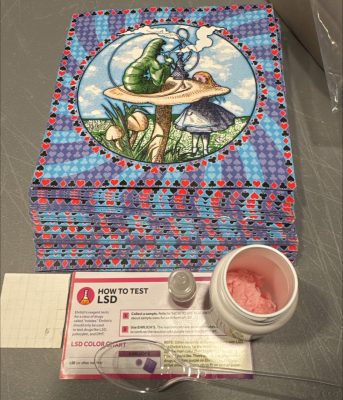
Initially, LSD was distributed exclusively in liquid form—a potent solution measured drop by drop. However, as the compound emerged from clinical settings and entered broader cultural currents, a more portable, discreet, and user-friendly delivery method became necessary. The solution was elegant in its simplicity: absorbent blotter paper, impregnated with a precisely measured LSD solution, then dried and perforated into individual doses. Consequently, the LSD tab was born, and with it, a new era of accessibility and cultural diffusion.
Therefore, understanding LSD tabs requires more than a superficial glance at their appearance. One must appreciate the intricate artistry of blotter design, the nuances of dosing and handling, the advantages and limitations compared to other forms, and the responsible practices that transform a simple square of paper into a tool for profound personal exploration. This comprehensive guide will illuminate every aspect of LSD tabs, providing the foundational knowledge necessary for informed, respectful engagement with this iconic preparation.
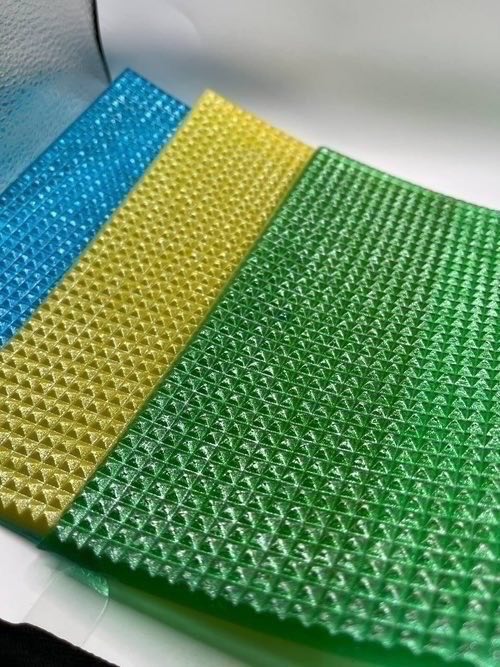
The Anatomy of an LSD Tab: What Lies Within the Lsd Gel Tabs Paper
The Substrate: Blotter Paper
At its most fundamental level, an LSD tab consists of high-quality absorbent paper, typically manufactured specifically for the purpose of holding and releasing precise quantities of liquid. This paper is thick enough to absorb a uniform solution without disintegrating, yet porous enough to release its contents efficiently when placed in the mouth. The most common type is known as “blotter paper” or “perforated paper,” characterized by a grid of small, equally sized squares separated by perforations that allow for clean separation of individual doses.
The quality of the substrate significantly influences the stability and consistency of LSD tabs. High-quality blotter paper is acid-free, lignin-free, and designed to minimize degradation of the embedded compound. Conversely, inferior papers may contain impurities, absorb unevenly, or degrade more rapidly when exposed to environmental factors. For this reason, pharmaceutical-grade blotter used in clinical research differs substantially from commercially available art paper, though both serve the same fundamental purpose.
The Impregnation Process
The creation of LSD tabs involves a process called impregnation, wherein a solution of LSD dissolved in a volatile solvent—typically high-proof ethanol or a mixture of alcohol and water—is uniformly applied to sheets of blotter paper. The solvent evaporates, leaving the LSD crystals embedded within the paper fibers. The resulting sheet is then perforated into individual tabs, each theoretically containing a precise, consistent dose.
In ideal conditions, the impregnation process yields tabs with remarkable uniformity. However, variations in technique, solvent distribution, and drying conditions can lead to uneven dosing across a single sheet. Therefore, the reliability of LSD tabs depends heavily on the skill and meticulousness of the manufacturer. In clinical research, this process is performed under strict laboratory conditions with rigorous quality control. In other contexts, variability is an inherent risk that users must acknowledge and mitigate through careful testing and conservative dosing.
Gel Tabs Lsd Dosage: The Myth and Reality
The dosage of LSD tabs is a subject of considerable mythology and misunderstanding. In popular culture, references to “double-dipped” or “triple-dipped” tabs abound, suggesting that multiple applications of LSD solution yield proportionally higher potency. In reality, paper has a finite absorption capacity; once saturated, additional solution simply runs off. Consequently, the maximum dose that can be reliably embedded in a standard quarter-inch square tab is approximately 300 to 400 micrograms, though typical doses fall between 50 and 150 micrograms.
Over the past decade, reported dosages on the illicit market have decreased significantly. Many contemporary tabs contain between 50 and 100 micrograms, a significant reduction from the higher doses common in the 1960s and 1990s. This trend reflects a combination of factors: increased caution among manufacturers, dilution of precursor materials, and market preference for more manageable experiences. For users, this variability underscores the importance of starting with a fraction of a tab when assessing a new batch.
The Art and Culture of Blotter Art
A Canvas for Expression
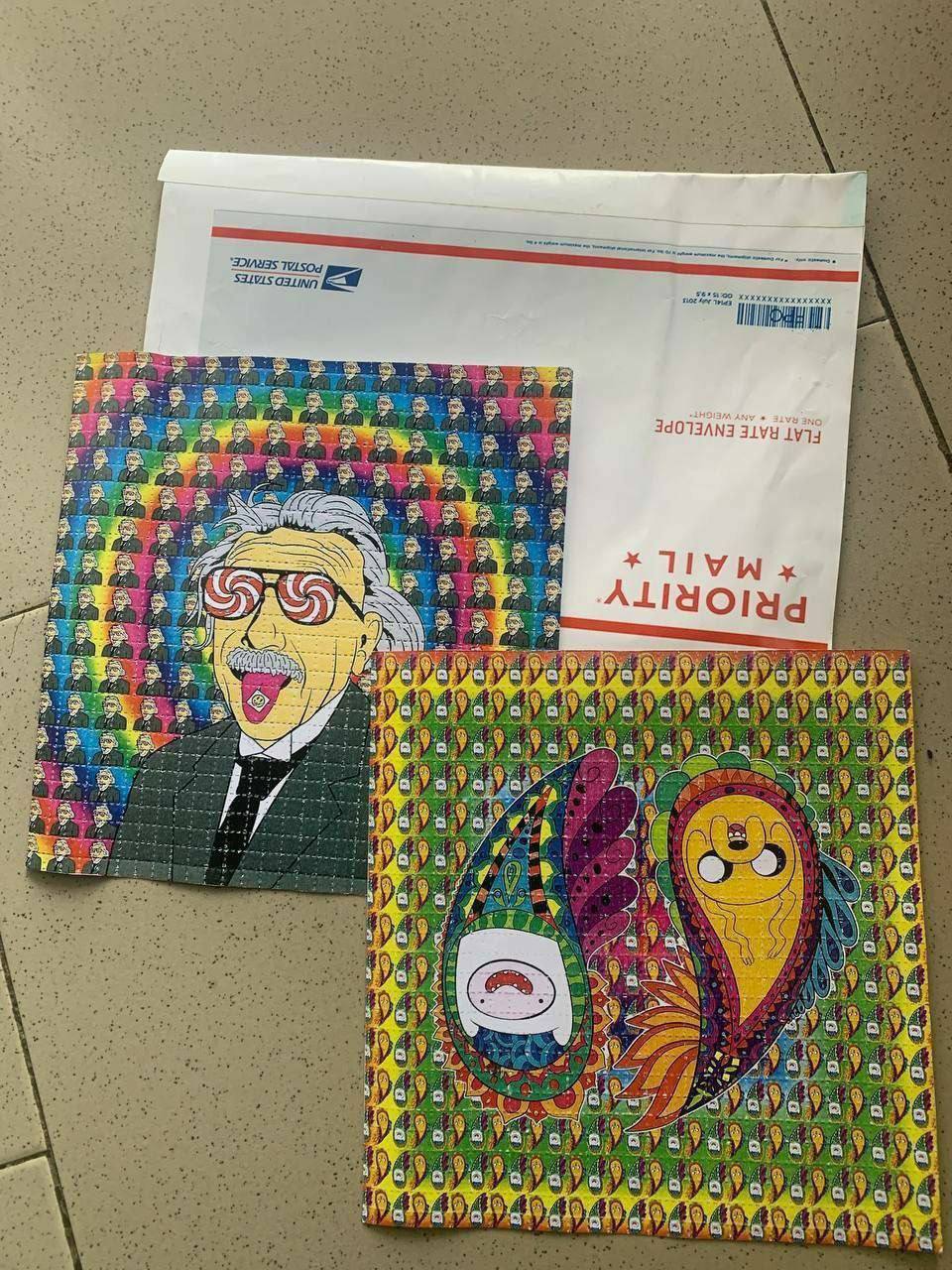
Beyond its functional role, the LSD tab has evolved into a unique form of artistic expression. Blotter art—the colorful, often intricate designs printed onto sheets before impregnation—has become a collectible art form in its own right. These designs range from psychedelic patterns and fractal geometries to pop culture references, political statements, and reproductions of classical artwork. Each sheet tells a story, reflecting the era, subculture, and creative sensibilities of its creators.
The tradition of blotter art dates back to the 1960s, when underground chemists and distributors began using distinctive designs to brand their products and communicate quality. Today, original blotter art is collected and traded independently of the LSD it once contained, with rare sheets commanding significant prices at auction. For many, the visual language of blotter art represents a tangible connection to the history and ethos of psychedelic culture.
Lsd Gel Tab Authentication and Quality Indicators
While visually striking, blotter art is not a reliable indicator of the presence, purity, or dosage of LSD. Counterfeit tabs containing other psychoactive substances—such as NBOMe compounds, DOx series chemicals, or other synthetic phenethylamines—are occasionally encountered. These substances can be dangerous at doses far lower than LSD and lack the established safety profile of the genuine compound.
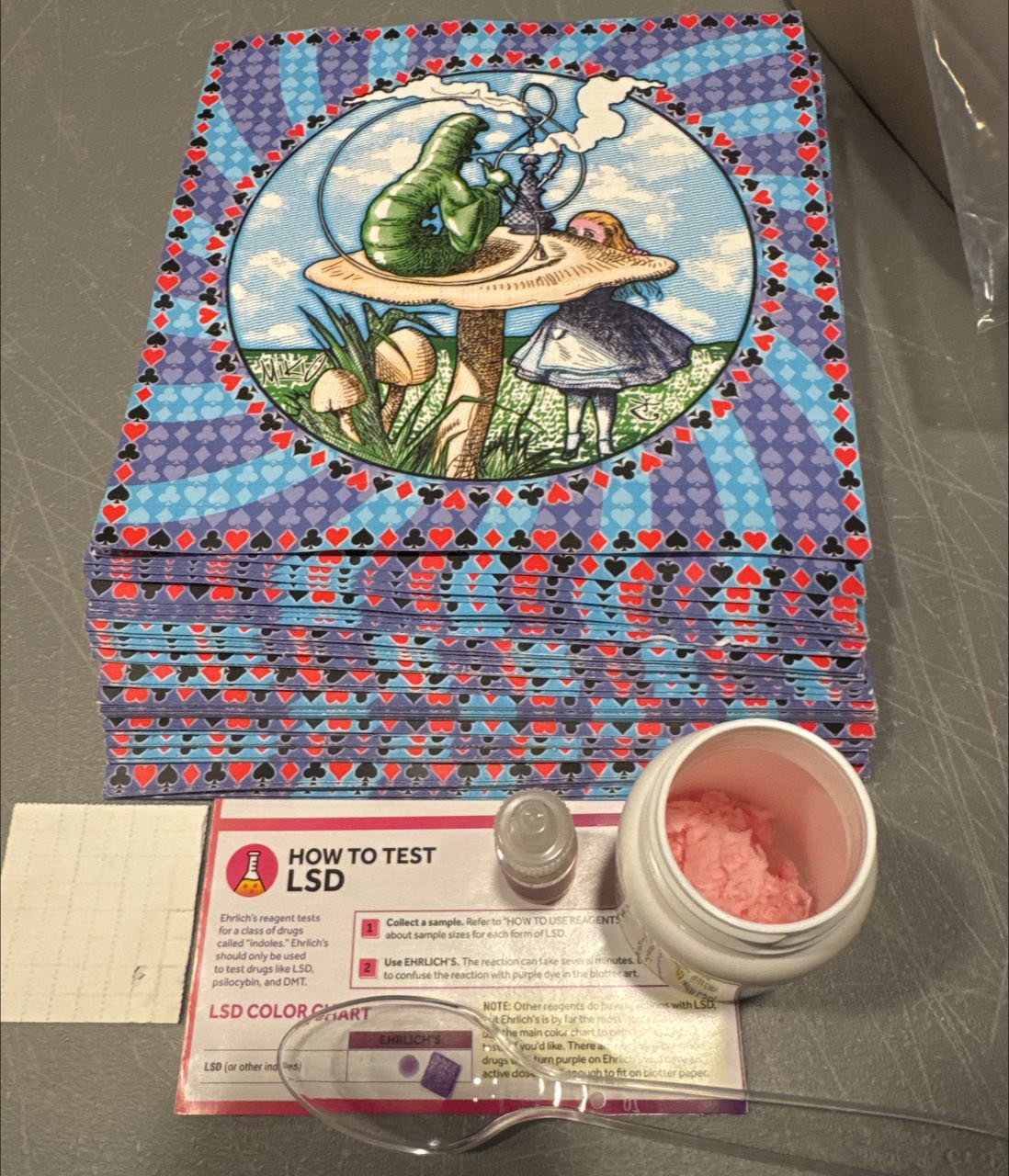
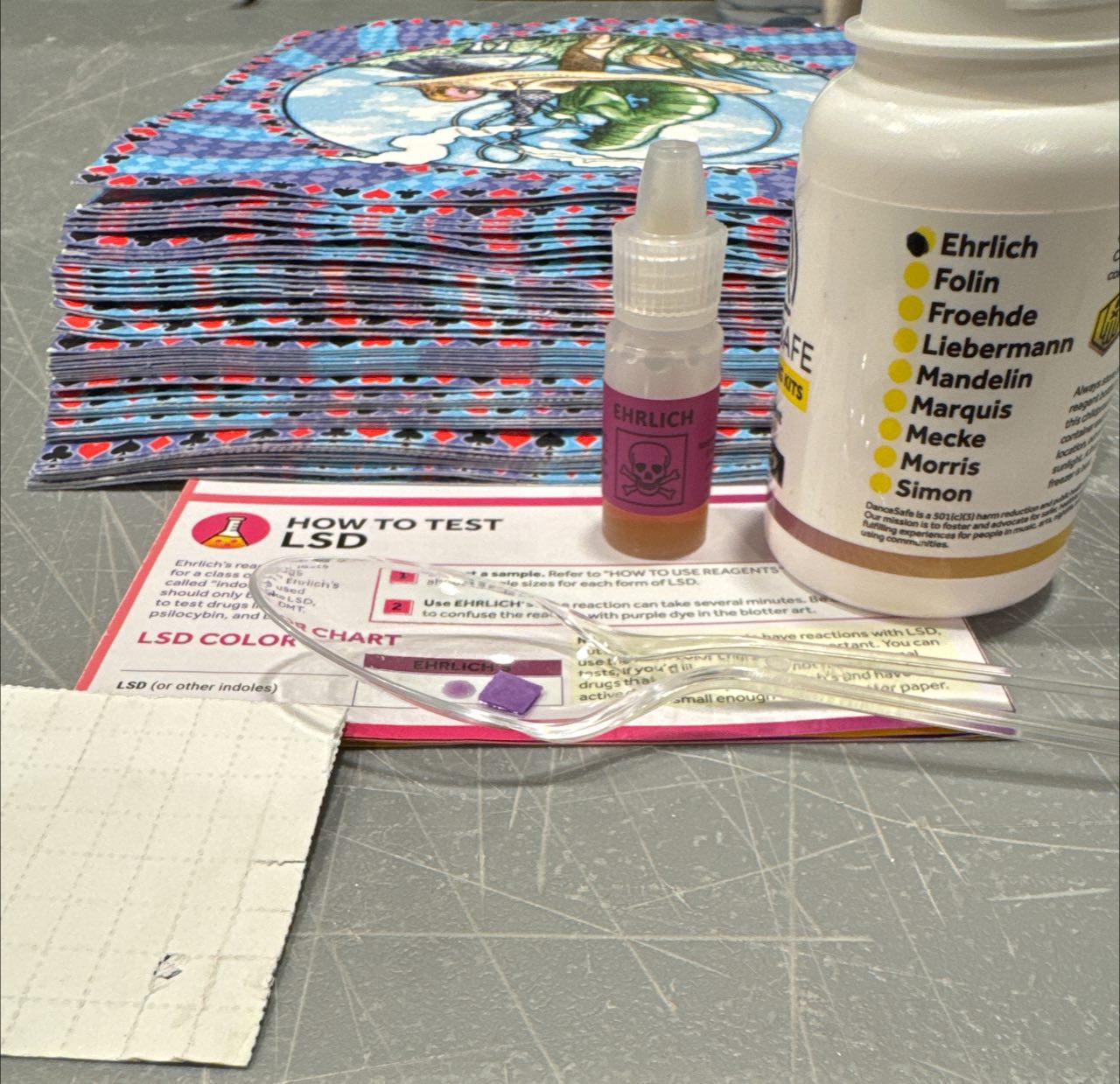
Therefore, responsible engagement with LSD tabs requires verification beyond visual appearance. Reagent testing kits, which produce characteristic color changes in the presence of LSD, are widely available and considered essential harm reduction tools. Additionally, the absence of a bitter, metallic, or numbing taste is a key indicator: genuine LSD is virtually tasteless, whereas many substitutes produce a distinct chemical flavor. If a tab tastes bitter, it should be expelled immediately.
Advantages and Limitations of LSD Tabs
Portability and Discretion
The primary advantage of LSD tabs is their exceptional portability. A single tab is smaller than a postage stamp, weighs virtually nothing, and can be stored discreetly in a book, wallet, or sealed container. For individuals traveling or navigating environments where discretion is paramount, tabs offer a level of convenience unmatched by liquid or other formulations.
Furthermore, tabs do not require any specialized equipment for administration. There are no droppers to calibrate, no syringes to measure, no solvents to handle. The user simply places the tab in the mouth and allows absorption to occur. This simplicity has contributed significantly to the widespread adoption of tabs as the dominant form of LSD in recreational and therapeutic contexts alike.
Variability and Uncertainty
Conversely, the convenience of LSD tabs comes at the cost of dosing precision. Unlike liquid LSD, where microgram-level adjustments are possible, tabs are fixed-dose units that cannot be easily subdivided without introducing uncertainty. While tabs can be cut into fractions, the distribution of LSD within a tab is not necessarily uniform. A half-tab may contain significantly more or less than 50% of the original dose, depending on how the impregnation process distributed the compound.
Additionally, tabs are more susceptible to environmental degradation than properly stored liquid. Heat, light, moisture, and oxygen can all compromise the LSD embedded in paper fibers. A tab stored in a hot car or exposed to sunlight may lose potency rapidly, leading to unpredictable effects. Proper storage—in a cool, dark, airtight container—is essential for preserving the integrity of LSD tabs.
Handling and Storage: Preserving Potency
Optimal Storage Conditions
To maximize the longevity and reliability of LSD tabs, adherence to proper storage protocols is essential. The following conditions are universally recommended:
-
Temperature: A stable, cool environment between 40°F and 70°F (4°C to 21°C) is ideal. Refrigeration is acceptable but must be paired with measures to prevent condensation, as moisture accelerates degradation.
-
Light: Complete protection from ultraviolet (UV) light is critical. Amber glass jars, opaque containers, or storage within books provide effective light barriers.
-
Moisture: Desiccant packets placed in storage containers help absorb ambient humidity, preventing hydrolysis of the LSD molecule.
-
Oxygen: Minimizing air exposure by using airtight containers and reducing headspace slows oxidative degradation.
When these protocols are followed, LSD tabs can retain significant potency for years. Conversely, tabs stored in plastic bags in warm environments may degrade within weeks or months.
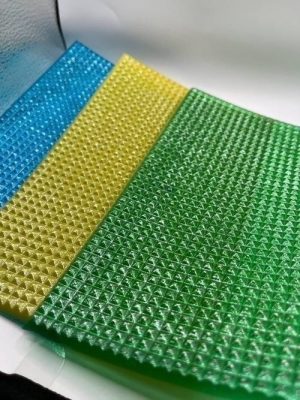
Handling Precautions
LSD is absorbed through the skin, though the rate and extent of absorption from dry paper is minimal. Nevertheless, handling tabs with bare hands should be minimized to prevent unintentional transfer or degradation from oils and moisture on the skin. Using tweezers or clean, dry fingers is advisable. Additionally, tabs should never be stored in proximity to other substances that could cross-contaminate or degrade them.
Administration: Methods and Considerations
Sublingual and Buccal Absorption
The most common method of administering LSD tabs is sublingual—placing the tab under the tongue and allowing it to remain there for 10 to 15 minutes. The rich vascular network beneath the tongue absorbs the LSD directly into the bloodstream, bypassing first-pass metabolism in the liver. This method yields relatively rapid onset, typically within 30 to 60 minutes.
Alternatively, tabs can be placed between the cheek and gum (buccal administration) or simply swallowed. When swallowed, onset is delayed and bioavailability is slightly reduced due to gastrointestinal degradation and hepatic metabolism. However, swallowing eliminates any risk of absorbing potential adulterants through the oral mucosa, which is a consideration when tabs are of uncertain origin.
Determining Dose
For new batches or unfamiliar tabs, conservative dosing is the foundation of harm reduction. Starting with a fraction of a tab—one-quarter or one-half—allows the user to assess potency, personal sensitivity, and the character of the experience before committing to a full dose. This approach is particularly important given the wide variability in tab potency across different sources.
After assessing a half-tab, users can wait at least one week to allow for tolerance normalization before attempting a full tab. Tolerance to LSD builds rapidly, with repeated doses within a short timeframe producing significantly diminished effects. Therefore, spacing experiences by at least seven to fourteen days is recommended for those seeking consistent, meaningful journeys.
The Subjective Experience with LSD Tabs
The Arc of the Journey
The experience of LSD tabs follows the classic trajectory characteristic of the compound. Following sublingual administration, initial effects—often described as a subtle shift in perception, heightened sensory awareness, and a sense of anticipatory energy—typically emerge within 30 to 60 minutes. These early effects gradually intensify over the next 60 to 90 minutes, leading into the peak phase.
The peak, occurring approximately two to four hours after administration, represents the most intense period of the experience. During this phase, users commonly report profound alterations in thought patterns, emotional states, and sensory perception. Ego dissolution—the temporary loss of the boundaries between self and environment—may occur, particularly at higher doses. Visual phenomena range from enhanced color saturation and pattern recognition to complex geometric hallucinations and synesthetic experiences where senses blend.
The peak gradually subsides over the following four to six hours, transitioning into a comedown phase marked by reflection, integration, and residual sensory enhancement. Total duration from administration to baseline typically ranges from 8 to 12 hours, with after-effects sometimes extending into the following day.
Factors Influencing the Experience
The character and intensity of an LSD tab experience are shaped by three primary factors: dose, set, and setting. Dose determines the overall intensity and depth of the experience. Set—the user’s mindset, expectations, emotional state, and preparation—profoundly influences the trajectory of the journey. Setting—the physical and social environment—provides the container within which the experience unfolds.
When these factors are carefully prepared, LSD tabs can facilitate experiences of profound insight, emotional healing, creative inspiration, and spiritual connection. Conversely, when set and setting are neglected, difficult experiences characterized by anxiety, confusion, and fear become more likely. Consequently, intentional preparation is not merely advisable but essential.
Therapeutic Applications and Clinical Research
The Return of Psychedelic Therapy
After decades of prohibition, LSD is experiencing a remarkable renaissance in clinical research. Modern studies at leading institutions are investigating LSD-assisted therapy for a range of conditions, including anxiety related to terminal illness, treatment-resistant depression, and substance use disorders. In these trials, pharmaceutical-grade LSD is administered in controlled settings with extensive preparation and integration support.
While these trials primarily utilize liquid LSD for dosing precision, the cultural and historical significance of tabs ensures their continued relevance. For many individuals seeking therapeutic benefits outside clinical settings, tabs remain the most accessible form of the compound. However, self-directed therapeutic work with LSD tabs requires the same principles that guide clinical practice: intentional preparation, a supportive setting, and committed integration.
Microdosing with Tabs
The microdosing movement has brought renewed attention to LSD tabs. While liquid LSD is generally preferred for microdosing due to dosing precision, tabs can also be used for sub-perceptual protocols. By creating a volumetric solution—soaking a tab in a measured volume of distilled water or alcohol for 24 hours—users can produce a solution where each milliliter contains a known fraction of the tab’s total dose. This method enables consistent, repeatable microdoses even from fixed-dose tabs.
Advocates of microdosing report benefits including enhanced focus, creativity, emotional balance, and reduced anxiety. While rigorous scientific evidence remains preliminary, ongoing placebo-controlled studies are expected to clarify the efficacy and safety of microdosing protocols in the coming years.
Gel Tab Lsd Risks, Safety, and Harm Reduction
Psychological Risks
LSD tabs carry the same psychological risks as any form of the compound. A difficult experience can involve intense fear, paranoia, confusion, and a sense of losing control. These experiences are more likely when set and setting are inadequate, when doses are excessively high, or when the user is unprepared for the intensity of the experience.
Individuals with a personal or family history of psychotic disorders should exercise extreme caution, as LSD may precipitate latent conditions. Additionally, those with significant unresolved trauma are advised to approach LSD only with professional support in a controlled setting.
Physical Safety
Physiologically, LSD is remarkably safe. No documented cases of fatal overdose from LSD alone exist. However, LSD tabs may occasionally contain adulterants or substitutes that carry different risk profiles. The NBOMe series, for example, has been associated with severe toxicity and fatalities at doses only slightly above active levels. Reagent testing is the only reliable method to confirm the presence of LSD before consumption.
Additionally, LSD can increase heart rate, blood pressure, and body temperature. For healthy individuals, these changes are generally mild and well-tolerated. However, those with pre-existing cardiovascular conditions should consult a healthcare professional before use.
Legal Status
In most jurisdictions, LSD remains a Schedule I controlled substance. Possession, distribution, and manufacture carry severe legal penalties. However, a growing number of cities and states have enacted decriminalization measures, and research exemptions are increasingly available. Individuals are strongly advised to understand and comply with the laws in their region.
Integration: The Bridge from Experience to Growth
The administration of an LSD tab is merely the beginning. Integration—the process of incorporating insights, emotions, and experiences into daily life—is where lasting transformation occurs. Without integration, even the most profound experience may fade into memory without meaningful change.
Integration practices include journaling, meditation, creative expression, and work with integration coaches or therapists familiar with non-ordinary states. Peer support groups provide valuable community reinforcement. By committing to integration, individuals honor their experiences and maximize their potential for growth.
Buy Gel Tabs Lsd: Respect for the Iconic Vessel
LSD tabs represent far more than a convenient delivery mechanism. They are vessels of culture, art, history, and profound personal exploration. From the meticulous craftsmanship of blotter art to the delicate chemistry of impregnation, each tab carries within it the potential for insight, healing, and transformation. Yet with this potential comes responsibility.
For those who choose to engage with LSD tabs, respect is paramount—respect for the compound, for oneself, for the set and setting that shape the experience, and for the integration that follows. By approaching LSD tabs with intention, preparation, and a commitment to safety, users honor the legacy of this remarkable molecule and the countless individuals who have journeyed with it before.
Ultimately, the LSD tab is not merely a product. It is a gateway—a small square of paper that, when approached with reverence and care, can open doors to the deepest recesses of the human mind and spirit.
5 reviews for BUY LSD TAB FOR SALE NEAR YOU ONLINE
Add a review
Related products
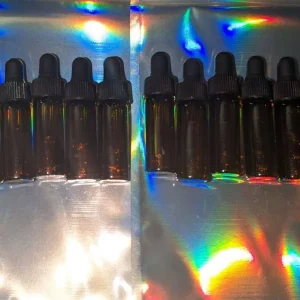
BUY LSD ONLINE
JOIN TELEGRAM OF VENDOR THAT SELL OUR PRODUCTS Liquid LSD – Buy liquid lsd Online The Purity of Precision in Psychedelic Exploration Buy liquid lsd – In the realm of psychedelic substances, few preparations command the same reverence, precision, and mystique as liquid LSD. Unlike its more commonly encountered paper-based counterparts, liquid lysergic acid diethylamide [...]
This product has multiple variants. The options may be chosen on the product page
Jeremiah A. –
Hard pyramid gel
Marilyn W. –
soft gel
Ashley K. –
It works
Benjamin M. –
No issues at all. Pretty fast shipping. No complaints.
Destini W. –
amazing customer service, even more amazing products