
Liquid LSD – Buy liquid lsd Online The Purity of Precision in Psychedelic Exploration
Buy liquid lsd – In the realm of psychedelic substances, few preparations command the same reverence, precision, and mystique as liquid LSD. Unlike its more commonly encountered paper-based counterparts, liquid lysergic acid diethylamide represents the purest form of this extraordinary compound—a solution of crystalline LSD dissolved in a carefully selected solvent, typically high-proof alcohol or distilled water. For connoisseurs, researchers, and therapeutic practitioners alike, liquid LSD offers unparalleled accuracy in dosing, rapid onset of effects, and a connection to the compound in its most unadulterated state.
Where To buy lsd liquid online?
Originally, liquid LSD was the only form in which the substance existed. When Albert Hofmann first synthesized the compound at Sandoz Laboratories in 1938, and subsequently discovered its effects in 1943, the material existed as a crystalline solid dissolved in solution. From these humble beginnings, liquid LSD became the foundation upon which the entire psychedelic movement was built. Consequently, understanding liquid LSD requires an appreciation for its unique properties, its advantages over other forms, and the responsibility that accompanies working with such a potent preparation.
Therefore, this comprehensive guide will illuminate every facet of liquid LSD—from its chemical characteristics and proper handling protocols to its dosing methodologies, therapeutic applications, and place within the contemporary psychedelic renaissance. Whether you are a researcher seeking precise administration methods, a therapist exploring psychedelic-assisted modalities, or an individual committed to informed, responsible exploration, this description will provide the essential knowledge required to engage with liquid LSD safely and meaningfully.
The Nature of Liquid LSD: Chemistry and Composition
What Lies Within the Dropper
Liquid LSD begins as pure lysergic acid diethylamide tartrate—a crystalline salt that is stable, measurable, and highly potent. This crystalline material is then dissolved into a solvent to create a solution of known concentration. Typically, the solvent is either high-proof ethanol (190 proof or higher) or sterile, deionized water. Ethanol is often preferred because it inhibits bacterial growth and preserves the compound’s stability over extended periods. Conversely, water-based solutions require refrigeration and more careful handling to prevent degradation.
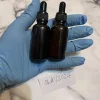
The resulting liquid is transparent and colorless, carrying no taste beyond the slight bite of alcohol when ethanol is used. A single drop from a standard dropper contains a precisely measurable quantity of LSD, usually calibrated to deliver between 50 and 150 micrograms per drop. This precision is the defining characteristic of liquid LSD. Unlike blotter paper, where dosage can vary based on uneven absorption or degradation, liquid allows for consistent, repeatable dosing.
Purity and Potency: A Matter of Micrograms
LSD is active at extraordinarily low doses. A threshold effect can occur with as little as 15 to 20 micrograms, while a full psychedelic experience typically requires between 100 and 200 micrograms. In liquid form, these minute quantities are easily measured and administered. For this reason, liquid LSD is considered the gold standard for clinical research and therapeutic applications where dosing precision is paramount.
Moreover, the purity of liquid LSD is directly tied to the quality of the crystalline material used. High-quality LSD tartrate should appear as a white or off-white crystalline powder. When dissolved, it forms a solution free from particulate matter or discoloration. Any cloudiness, sediment, or unusual coloration should be regarded as a sign of contamination or degradation. Consequently, sourcing liquid LSD from reputable, verified sources is essential for both safety and efficacy.
Advantages of Liquid LSD Over Other Forms
Precision Dosing: The Primary Differentiator
The most significant advantage of liquid LSD is the ability to dose with exceptional accuracy. Blotter paper, by contrast, is manufactured by soaking sheets of absorbent paper in an LSD solution, then allowing them to dry. While this method can yield consistent results under controlled conditions, the reality is that uneven absorption, drying artifacts, and degradation over time often lead to variable potency across individual tabs.
With liquid LSD, a calibrated dropper or volumetric pipette allows the user to measure exact quantities. For instance, if a solution contains 100 micrograms per drop, administering one drop delivers a precise 100-microgram dose. For microdosing protocols—where doses typically range from 10 to 20 micrograms—liquid LSD is particularly advantageous. A single drop can be diluted further in water or alcohol, enabling accurate sub-perceptual dosing.
Rapid Absorption and Consistent Onset
Liquid LSD offers faster absorption compared to blotter paper. When placed under the tongue (sublingually) or held in the mouth, the mucous membranes absorb the solution directly into the bloodstream, bypassing first-pass metabolism in the liver. Consequently, onset typically occurs within 20 to 40 minutes, compared to 45 to 90 minutes for blotter paper. This predictability allows users to better anticipate and prepare for the experience’s trajectory.
Additionally, liquid LSD does not require the body to break down paper fibers or inks, which can sometimes cause mild gastrointestinal discomfort. The solution is clean, simple, and efficient. Therefore, for individuals sensitive to binders or fillers commonly found in other preparations, liquid LSD represents a purer alternative.
Stability and Longevity
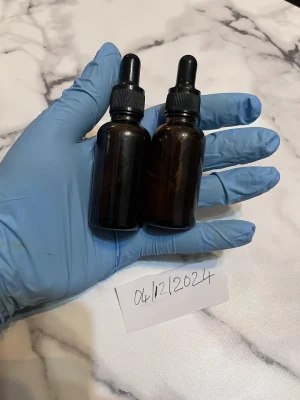
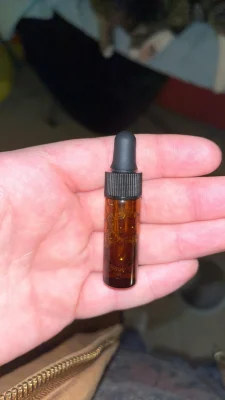
When stored properly, liquid LSD possesses remarkable stability. An ethanol-based solution stored in a dark glass vial, away from light, heat, and oxygen, can retain its potency for years. Light, particularly ultraviolet (UV) radiation, is the primary enemy of LSD molecules. Therefore, amber or cobalt blue glass vials are standard for storage. Similarly, extreme heat or freezing should be avoided, as temperature fluctuations can degrade the compound.
Blotter paper, while more portable, is more susceptible to environmental degradation. Moisture, heat, and light can compromise the LSD embedded in the paper matrix. In contrast, a securely sealed vial of liquid LSD, stored in a cool, dark place, offers superior longevity and reliability.
Handling and Administration: Protocols for Safety
The Importance of Accurate Measurement
Working with liquid LSD demands respect, attention to detail, and meticulous measurement. Because the compound is active at microgram levels, even a small error in measurement can result in a dose far exceeding the intended amount. Therefore, proper tools are essential. Calibrated oral syringes, graduated droppers, and volumetric flasks allow for precise measurement.
For microdosing, a common technique involves adding a known quantity of liquid LSD to a larger volume of solvent. For example, adding 1 milliliter of a 100-microgram-per-drop solution to 9 milliliters of distilled water creates a dilution where each milliliter contains approximately 10 micrograms. This method enables consistent, repeatable microdoses without the risk of accidentally administering a full psychedelic dose.
Sublingual and Oral Administration
Sublingual administration—holding the liquid under the tongue for 10 to 15 minutes—is the preferred method for those seeking rapid onset and efficient absorption. The rich network of blood vessels beneath the tongue absorbs the LSD directly into the systemic circulation. After the holding period, the remaining solution can be swallowed for additional absorption through the gastrointestinal tract.
Alternatively, liquid LSD can be added to a beverage and consumed orally. However, this method results in slower onset and slightly reduced bioavailability due to first-pass metabolism. Additionally, chlorinated water should be avoided, as chlorine can degrade LSD. Distilled water, alcohol, or non-chlorinated beverages are preferable.
Storage Best Practices
To preserve the potency and integrity of liquid LSD, proper storage is non-negotiable. The following protocols are universally recommended:
-
Container: Amber or cobalt blue glass vials with airtight, PTFE-lined caps prevent light exposure and solvent evaporation.
-
Temperature: A stable, cool environment between 40°F and 70°F (4°C to 21°C) is ideal. Refrigeration is acceptable but must be paired with measures to prevent condensation.
-
Light: Complete protection from direct light, especially sunlight and fluorescent lighting, is critical.
-
Oxygen: Minimizing headspace in the vial reduces oxidation.
When these protocols are followed, liquid LSD can remain potent for five years or more. Conversely, improper storage can lead to rapid degradation and complete loss of activity.
The Subjective Experience with Liquid LSD
A Cleaner, More Predictable Journey
Experienced users frequently report that the experience of liquid LSD differs qualitatively from that of blotter paper. While the underlying pharmacology is identical, the absence of paper fibers, inks, and potential adulterants in liquid preparations is believed to contribute to a “cleaner” experience. Users often describe reduced body load—fewer sensations of tension, nausea, or physical discomfort—and a more lucid, manageable mental state.
Furthermore, the precise dosing enabled by liquid LSD allows users to calibrate their experience with greater accuracy. A 100-microgram dose from a reliable liquid source delivers a consistent intensity, whereas variations in blotter potency can lead to unexpectedly mild or overwhelmingly intense experiences. This predictability is invaluable for therapeutic work and for individuals exploring psychedelics for personal growth.
The Arc of the Experience
The arc of a liquid LSD experience follows the same general pattern as other forms, though with a slightly compressed onset. Following sublingual administration, initial effects—subtle shifts in perception, heightened sensory awareness, and a sense of anticipatory energy—typically emerge within 20 to 40 minutes. The peak occurs between two and four hours after administration, characterized by profound alterations in thought, perception, and sense of self.
During the peak, ego dissolution—the temporary loss of the boundaries between self and environment—is common, particularly at higher doses. Visual phenomena range from enhanced colors and patterns to complex geometric hallucinations and synesthetic experiences. The peak gradually subsides over the following four to six hours, transitioning into a comedown phase marked by reflection, integration, and residual sensory enhancement.
Therapeutic Applications: Precision in Healing
The Clinical Context
In clinical research settings, liquid LSD is the preferred formulation for all controlled trials. The ability to administer precise, repeatable doses is essential for scientific rigor. Modern studies at institutions such as Imperial College London, Johns Hopkins University, and the University of Zurich utilize liquid LSD in their protocols. Participants receive measured doses in a therapeutic setting, supported by trained facilitators.
Research to date has demonstrated that LSD-assisted therapy can produce significant reductions in anxiety, particularly for patients with life-threatening illnesses. Additionally, promising results have been observed in the treatment of alcohol use disorder, depression, and cluster headaches—a condition for which LSD remains one of the few effective treatments.
Microdosing: Precision at Sub-Perceptual Levels
The microdosing movement has brought liquid LSD into the spotlight. Advocates suggest that regular administration of sub-perceptual doses—typically 10 to 20 micrograms every three to four days—can enhance creativity, focus, emotional resilience, and overall well-being. While the scientific evidence remains preliminary, anecdotal reports are abundant, and rigorous placebo-controlled trials are currently underway.
Liquid LSD is uniquely suited to microdosing. A single dropper bottle can contain dozens or even hundreds of microdoses, allowing for consistent, long-term protocols. Furthermore, volumetric dilution enables users to adjust their doses with microgram-level precision, tailoring the protocol to their individual responses.
Risks, Safety, and Harm Reduction
Psychological Considerations
Liquid LSD carries the same psychological risks as any form of the compound. A difficult experience—often called a “bad trip”—can involve intense anxiety, paranoia, confusion, and fear. These experiences are more likely when set (mindset) and setting (environment) are not adequately prepared. Consequently, the importance of intentional preparation cannot be overstated.
For individuals with a personal or family history of psychotic disorders, L-S-D is generally contraindicated, as it may precipitate latent conditions. Additionally, those with significant unresolved trauma should approach L-S-D only with professional support in a controlled setting.
Physical Safety and Dosing Errors
Physiologically, L-S-D is remarkably safe. No documented cases of fatal overdose from L-S-D alone exist. However, dosing errors with liquid L-S-D can lead to unintentionally high doses, which, while not physically dangerous, can result in psychologically overwhelming experiences. Extreme care must be taken when measuring and administering liquid preparations.
Additionally, liquid L-S-D in ethanol solution can cause a mild burning sensation under the tongue. This is normal and not a cause for concern. However, individuals with alcohol sensitivities should opt for water-based solutions.
Legal Status
In most jurisdictions, L-S-D remains a Schedule I controlled substance. Possession, distribution, and manufacture carry severe legal penalties. However, a growing number of cities and states have enacted decriminalization measures, and research exemptions are increasingly available. Individuals are strongly advised to understand and comply with the laws in their region.
Integration: Transforming Experience into Growth
The administration of liquid L-S-D, whether in a therapeutic context or personal exploration, is only the first step. Integration—the process of incorporating insights, emotions, and experiences into daily life—is where lasting transformation occurs. Without integration, even the most profound experience can fade into memory without meaningful change.
Integration practices include journaling, meditation, creative expression, and work with integration coaches or therapists familiar with non-ordinary states. Peer support groups and integration circles also provide valuable community reinforcement. By committing to integration, individuals honor their experiences and maximize their potential for growth.
The Future of Liquid LSD
Clinical Approval and Accessibility
As the psychedelic renaissance accelerates, liquid L-S-D is poised to play a central role in approved therapies. Ongoing Phase II and Phase III clinical trials are evaluating the safety and efficacy of L-S-D-assisted therapy for various indications. If these trials yield positive results, regulatory approval could follow within the next decade. Approved therapies would almost certainly utilize pharmaceutical-grade liquid L.S.D.
Cultural Shifts
Public perception of L.S.D has shifted dramatically in recent years. Once stigmatized as a dangerous counterculture drug, it is increasingly recognized as a legitimate therapeutic tool. This cultural evolution has been driven by compelling research outcomes, advocacy efforts, and the growing visibility of psychedelic-assisted therapy in mainstream media.
Consequently, the demand for accurate information, responsible use guidelines, and high-quality preparations like liquid L.S.D has never been greater. Education, harm reduction, and informed consent are the pillars upon which this emerging field is built.
Precision, Purity, and Responsibility
Liquid L.S.D represents the purest expression of one of the most fascinating compounds known to science. Its precision dosing, rapid onset, and stability make it the preferred choice for researchers, therapists, and informed individuals alike. Nevertheless, with this precision comes profound responsibility. The potency of liquid L.S.D demands respect, careful handling, and a commitment to safety.
Buy Liquid Lsd For Sale
For those who approach it with intention, preparation, and a dedication to integration, liquid L.S.D offers a uniquely powerful tool for healing, self-discovery, and expanded consciousness. As we stand on the threshold of a new era in psychedelic medicine, liquid L.S.D will undoubtedly remain at the forefront—a testament to the enduring value of precision, purity, and the responsible exploration of the human mind.
5 reviews for BUY LIQUID LSD ONLINE
Add a review
Related products
BUY PSYCHEDELIC PILLS ONLINE
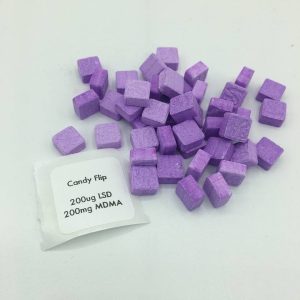
Buy LSD Pills 200ug with 200mg MDMA Pills Online
Explore the ultimate synergy of psychedelic exploration and empathic connection. Our 200 µg LSD with 200mg MDMA pills offer a precisely dosed, research-grade combination for profound introspection and euphoric bonding. Designed for experienced users seeking clarity and emotional depth.
This product has multiple variants. The options may be chosen on the product page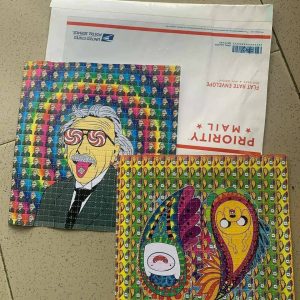
BUY LSD ONLINE
JOIN TELEGRAM OF VENDOR THAT SELL OUR PRODUCTS LSD Tabs – Buy LSD Tabs Online Within the vast tapestry of psychedelic culture and practice, few objects carry as much symbolic weight, practical utility, and historical significance as the humble LSD tab. Known variously as blotter, blotter acid, or simply “tabs,” these small squares of absorbent [...]
This product has multiple variants. The options may be chosen on the product page
Steven V. –
Easy access to products and fast shipping.
Tamara H. –
Thanks for saving my life!!!!
Douglas A. –
Perfect products and it arrived UK earlier than the previous delivery. Thank you very much
Robin B. –
Thanks for the amazing products and service. .
Alicia Q. –
Delivery was fast and customer service was helpful.